Metal-Over-Metal Roof Retrofit & Recover Systems
Why Choose Collins Roofing & Sheet Metal for Your Metal-Over-Metal Roof Retrofit Project
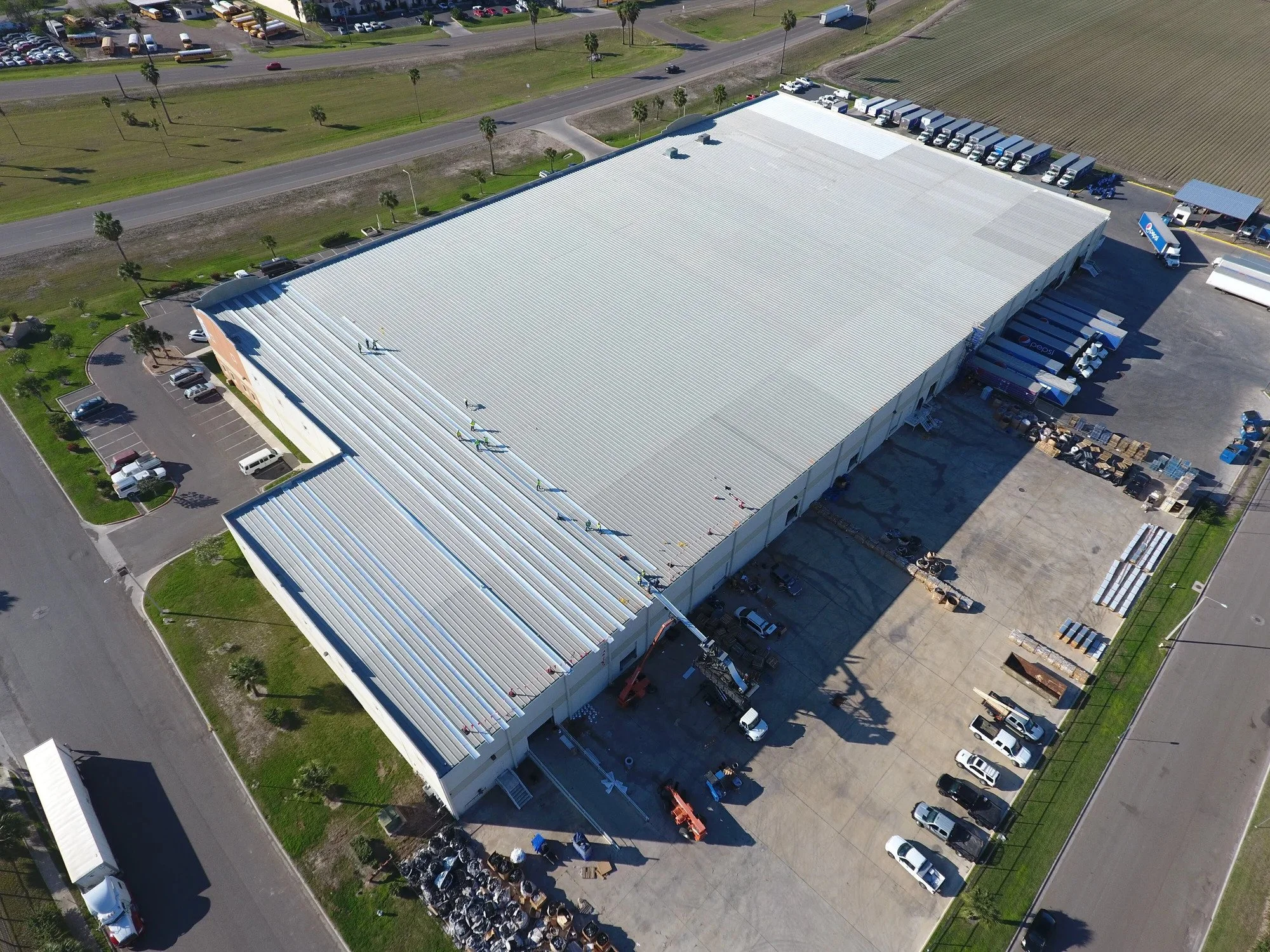
Collins Roofing & Sheet Metal is uniquely qualified to solve one of the most common problems building owners face: replacing an aging metal roof without the cost and disruption of a full tear-off. Serving Minnesota, Wisconsin, and Iowa, we manufacture and roll our proprietary metal roof panels directly on the roof, allowing us to install systems specifically engineered for metal-over-metal roof recovery.
Metal Over Metal Roof Recover is the Solution!
-
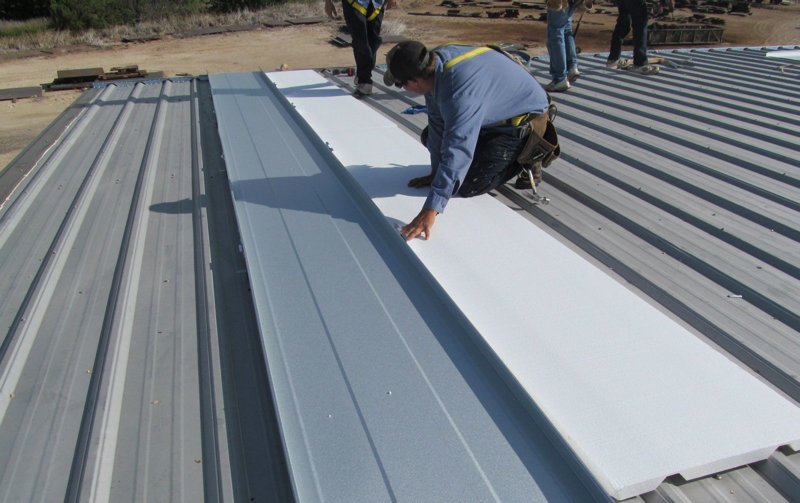
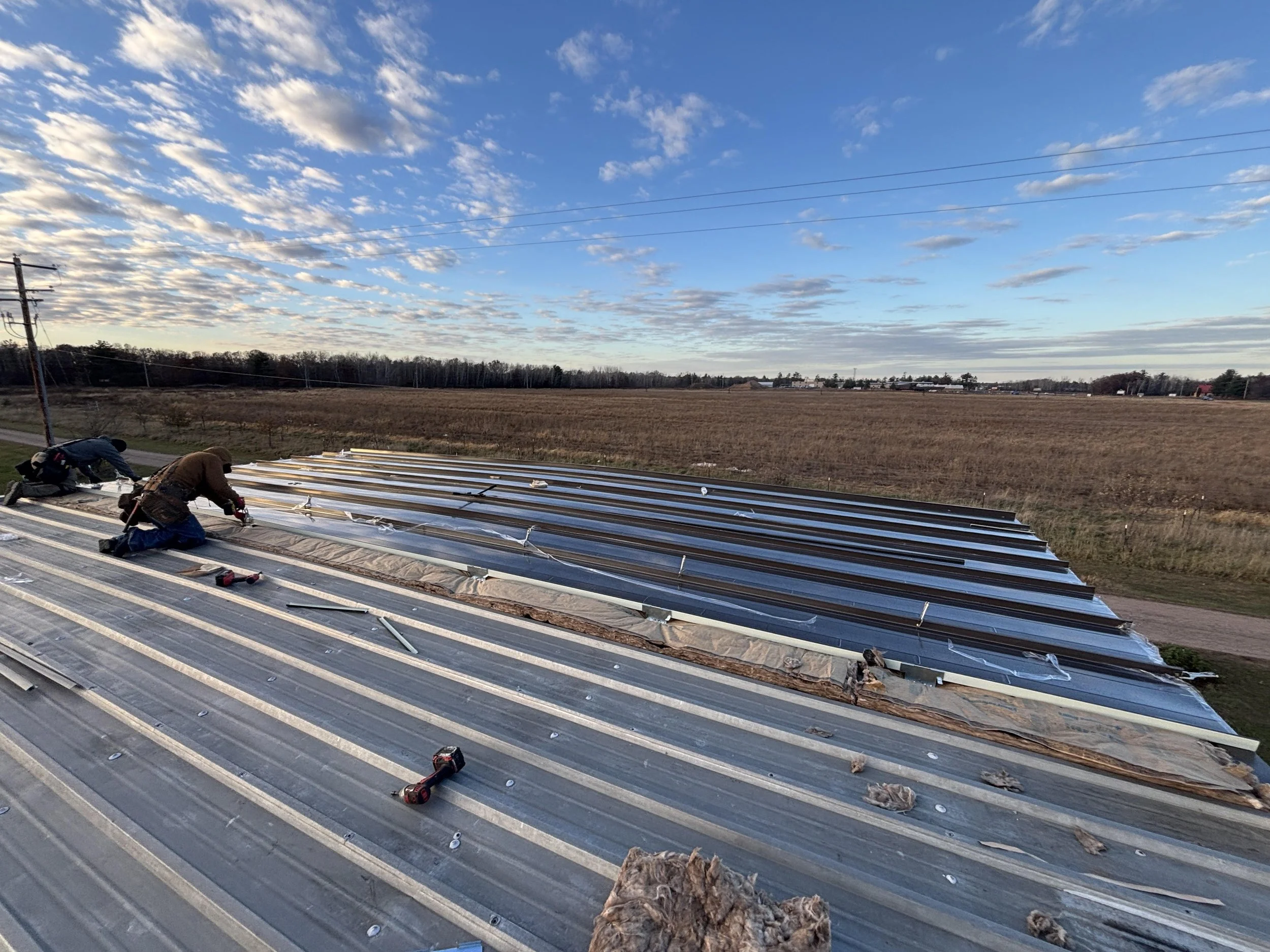
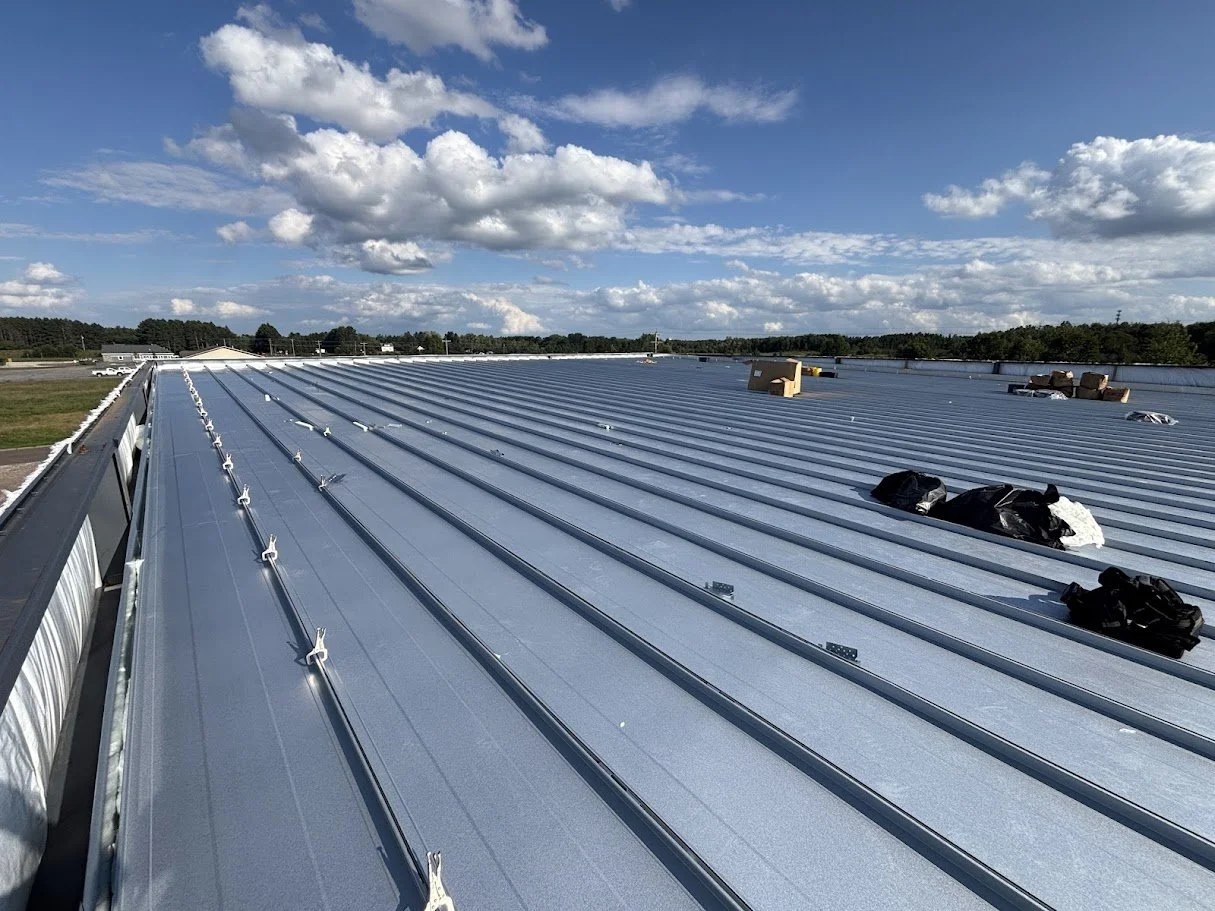
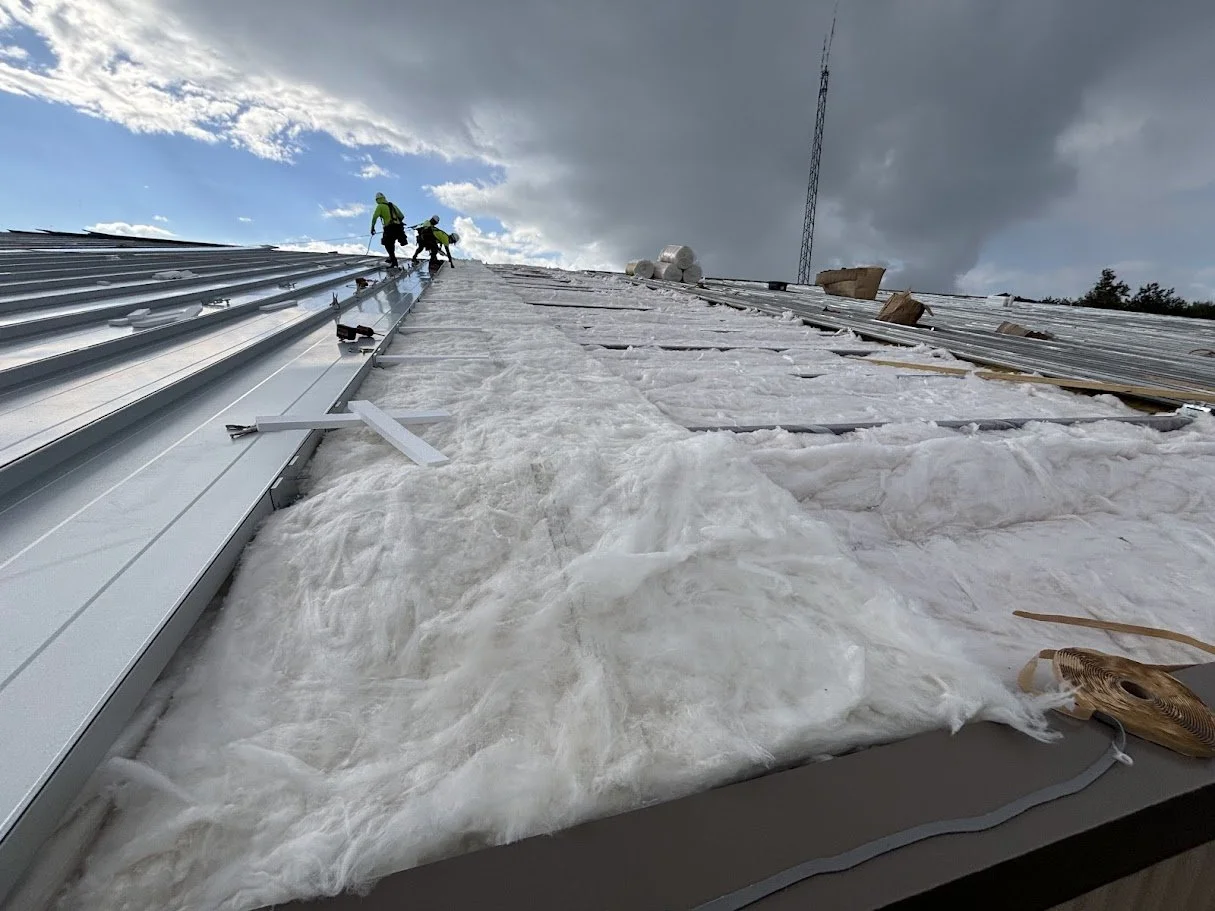
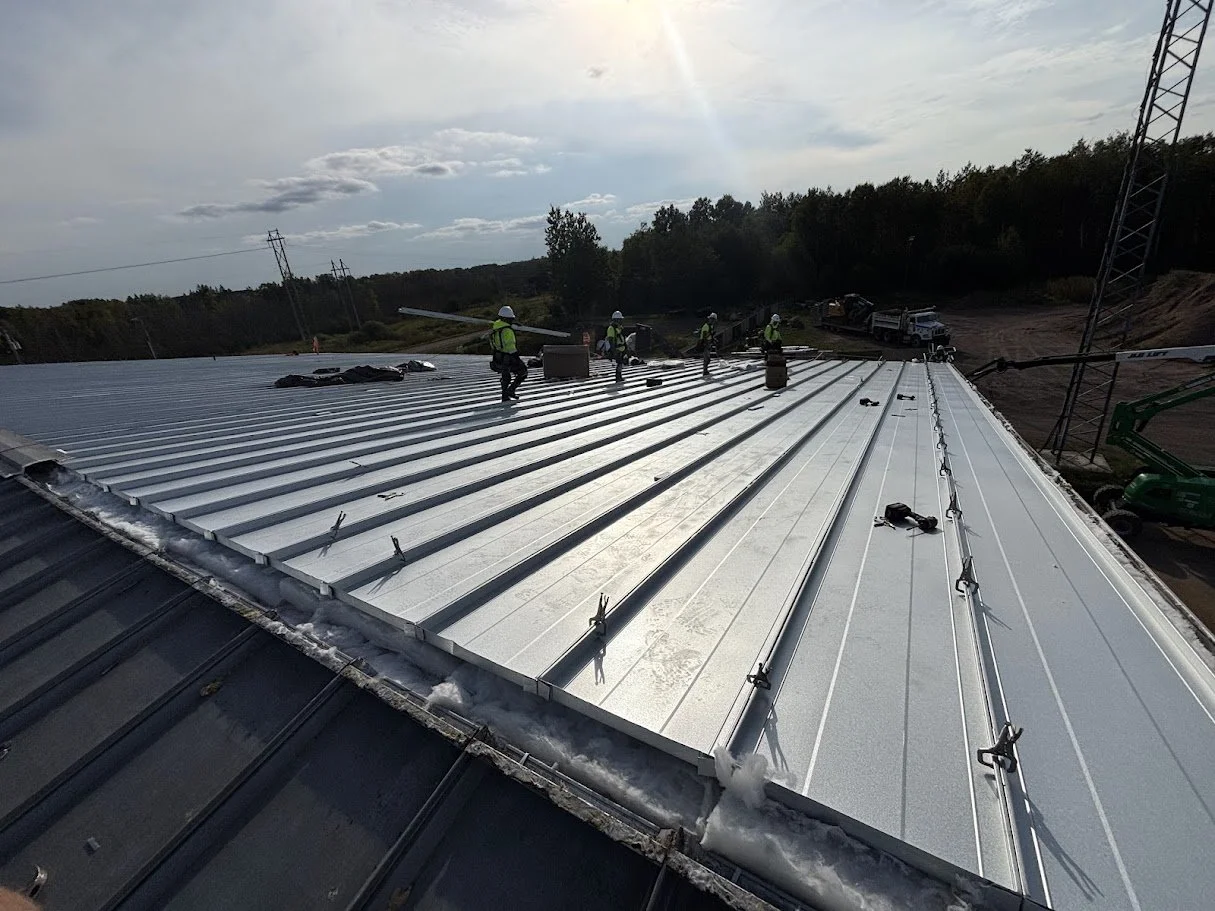
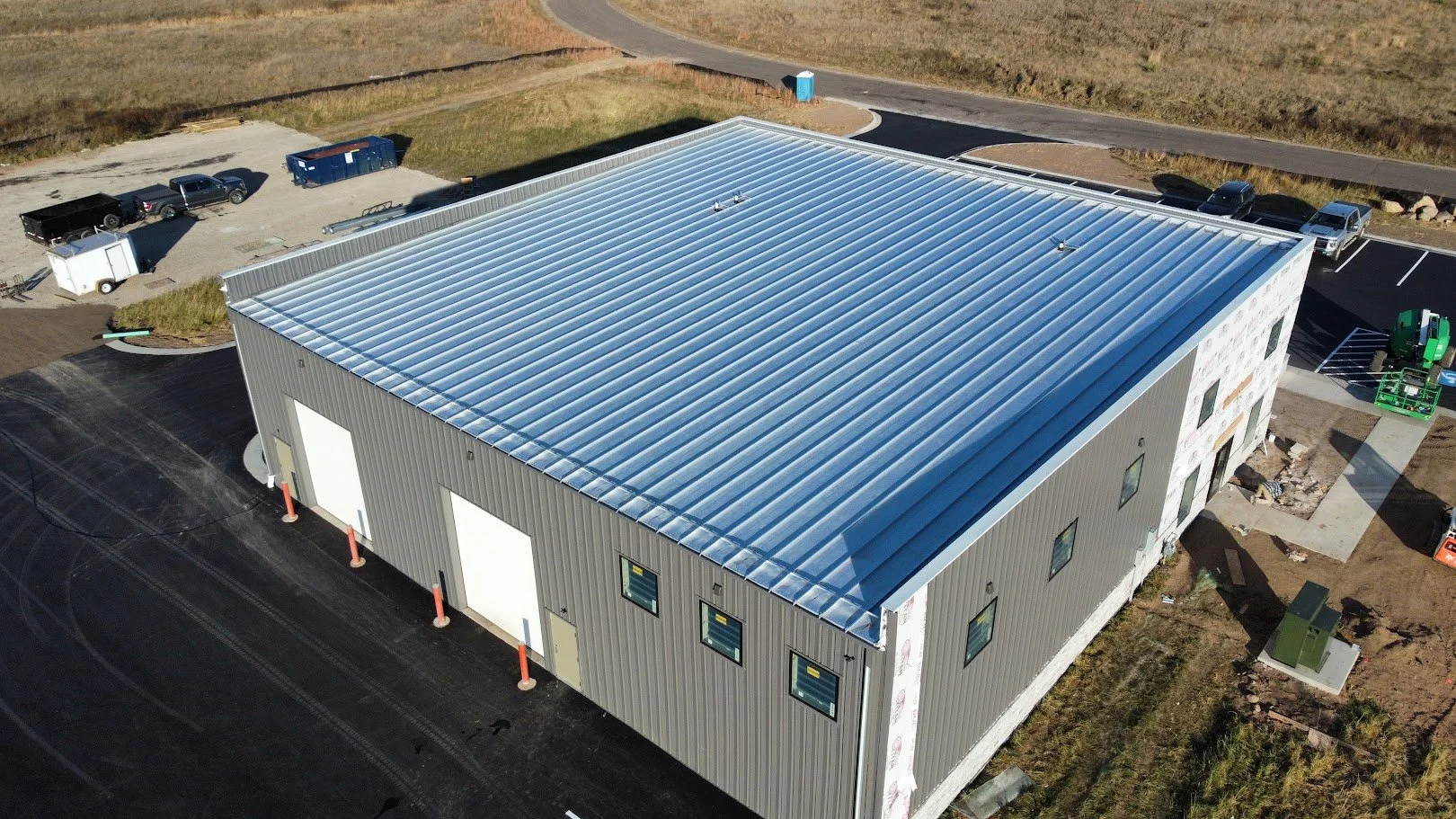
The 138T and 238T standing seam systems were designed with metal-over-metal roof recovery in mind. Instead of removing the existing metal roof, this structural standing seam system is installed above it using engineered retrofit clips or sub-framing. This allows the new roof to span over the existing panels while creating space for insulation and ventilation between the two roof systems.
At Collins Roofing & Sheet Metal, we manufacture and roll these panels directly at the jobsite, allowing us to produce continuous panels up to 350 feet long that run from ridge to eave whenever possible. Eliminating end laps reduces potential leak points and creates a stronger, cleaner roof system.
The 138T and 238T panels utilize a symmetrical seam design, meaning both sides of the panel are identical. This allows individual panels to be removed and reinstalled in the future if roof modifications or servicing are required—an important advantage that many traditional standing seam systems do not offer.
Because the system is structural and utilizes concealed clips, the roof is able to expand and contract naturally while maintaining exceptional weather resistance. When installed as a retrofit system, the 138T and 238T provide building owners with a long-term metal roofing solution that eliminates exposed fasteners, improves insulation performance, and avoids the disruption of a full tear-off.
The result is a durable standing seam roof system designed to perform for decades with minimal maintenance while solving the common problems associated with aging metal roofs.
-
A metal-over-metal retrofit system can do more than simply replace an aging roof—it can also improve the structural performance of the existing roof system. Using engineered sub-framing systems, the new standing seam roof is installed above the existing metal roof while transferring loads directly to the building’s structural members.
These sub-framing systems allow engineers to reinforce and strengthen the roof plane, increasing its ability to handle additional loads without the need to remove the existing roof. By avoiding a full tear-off, the building does not take on the added dead load that comes with layering traditional roofing materials.
This approach can be particularly valuable for buildings that plan to add solar panels, rooftop equipment, or additional insulation, all of which increase the load on the structure. With a properly engineered metal-over-metal retrofit system, the roof assembly can be designed to safely accommodate these added loads while maintaining the structural integrity of the building.
In addition to strengthening the roof, the new standing seam system provides a durable long-term roofing solution while preserving the existing roof as a secondary weather barrier beneath the new system.
-
The 138T and 238T T-Seam standing seam systems represent the state of the art in modern metal roofing. Designed for both new construction and metal-over-metal retrofit applications, these structural panels deliver exceptional strength, weather resistance, and long-term performance. Each panel features a continuous factory-applied butyl cap within the seam, creating one of the most watertight connections available in metal roofing today. The symmetrical seam design allows individual panels to be removed and reinstalled if future servicing or roof modifications are required. Combined with concealed clips that allow natural thermal movement, the T-Seam system provides a durable, high-performance roofing solution built to protect buildings for decades.
-
A metal-over-metal retrofit system using the 138T or 238T standing seam panels is often more affordable than many building owners expect. In many cases, the cost of installing a structural standing seam recover system is comparable to installing a membrane roof recover system, such as TPO or EPDM.
The difference is longevity. Membrane roof systems are typically designed to last around 20 years, while a properly installed structural standing seam metal roof can perform for 60–80 years or more with minimal maintenance. When evaluated over the life of the building, this means a standing seam retrofit system can last three to four times longer than many membrane roofing systems.
Because the system installs over the existing metal roof, building owners also avoid the significant costs associated with tear-off, disposal, and business disruption, making metal-over-metal retrofit one of the most cost-effective long-term roofing solutions available.
-
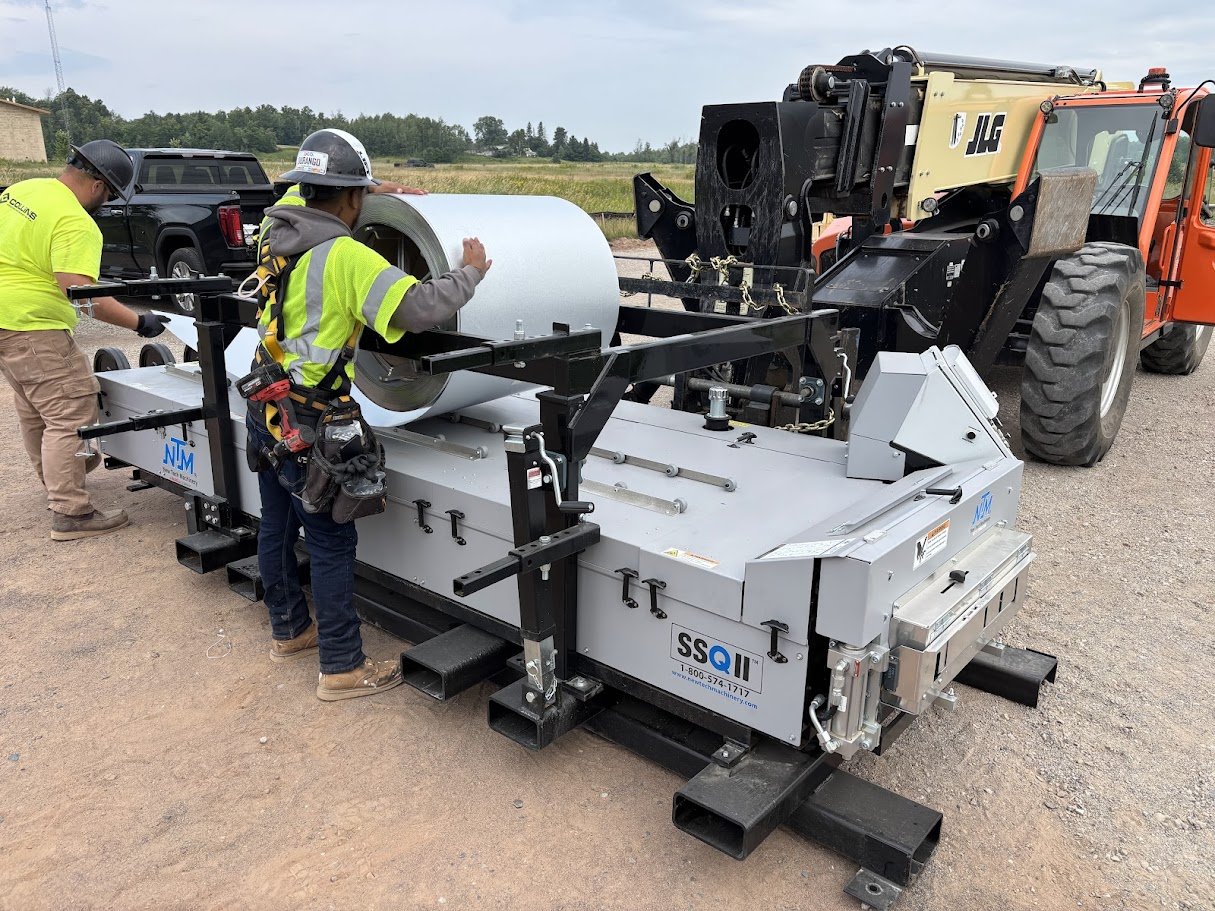
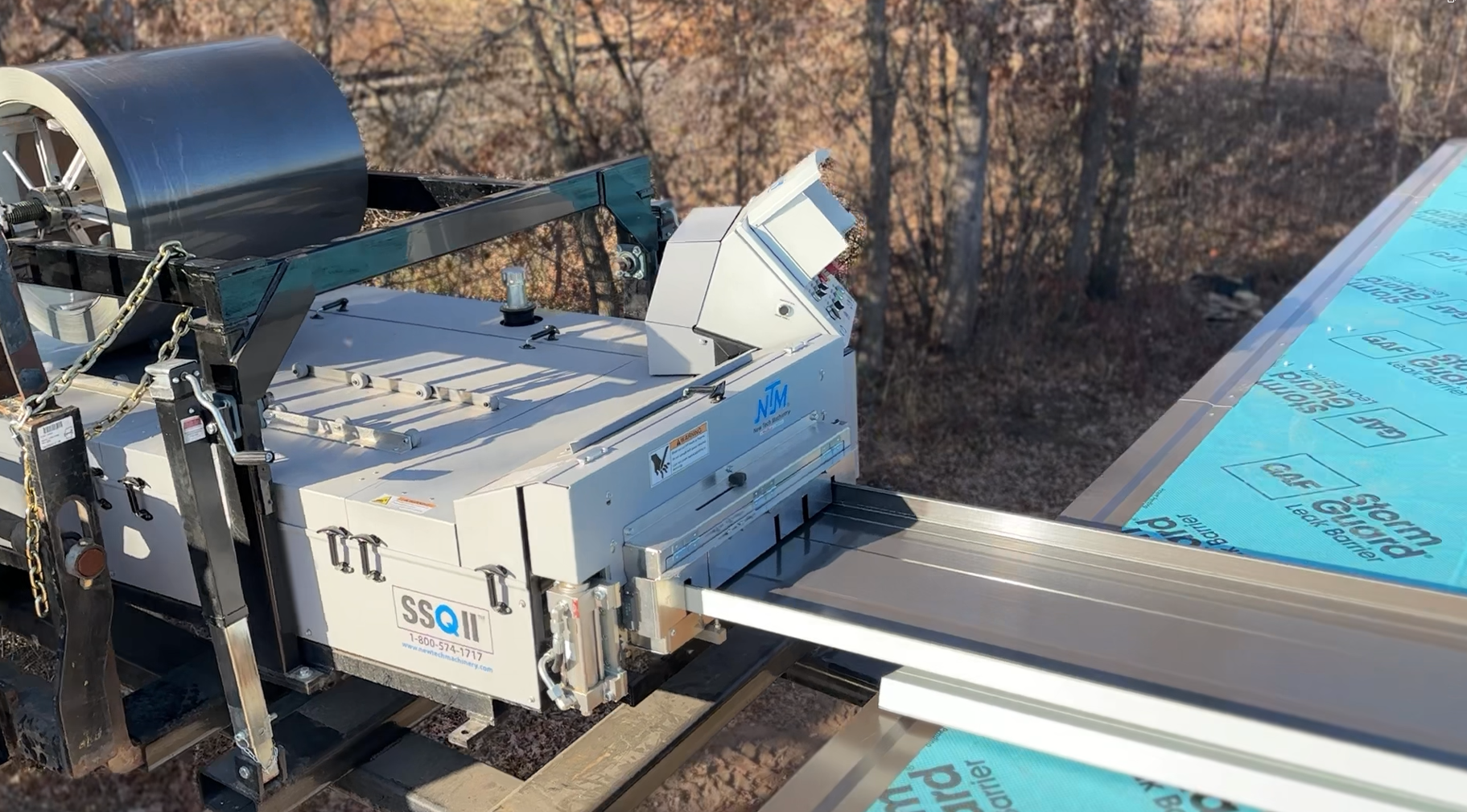
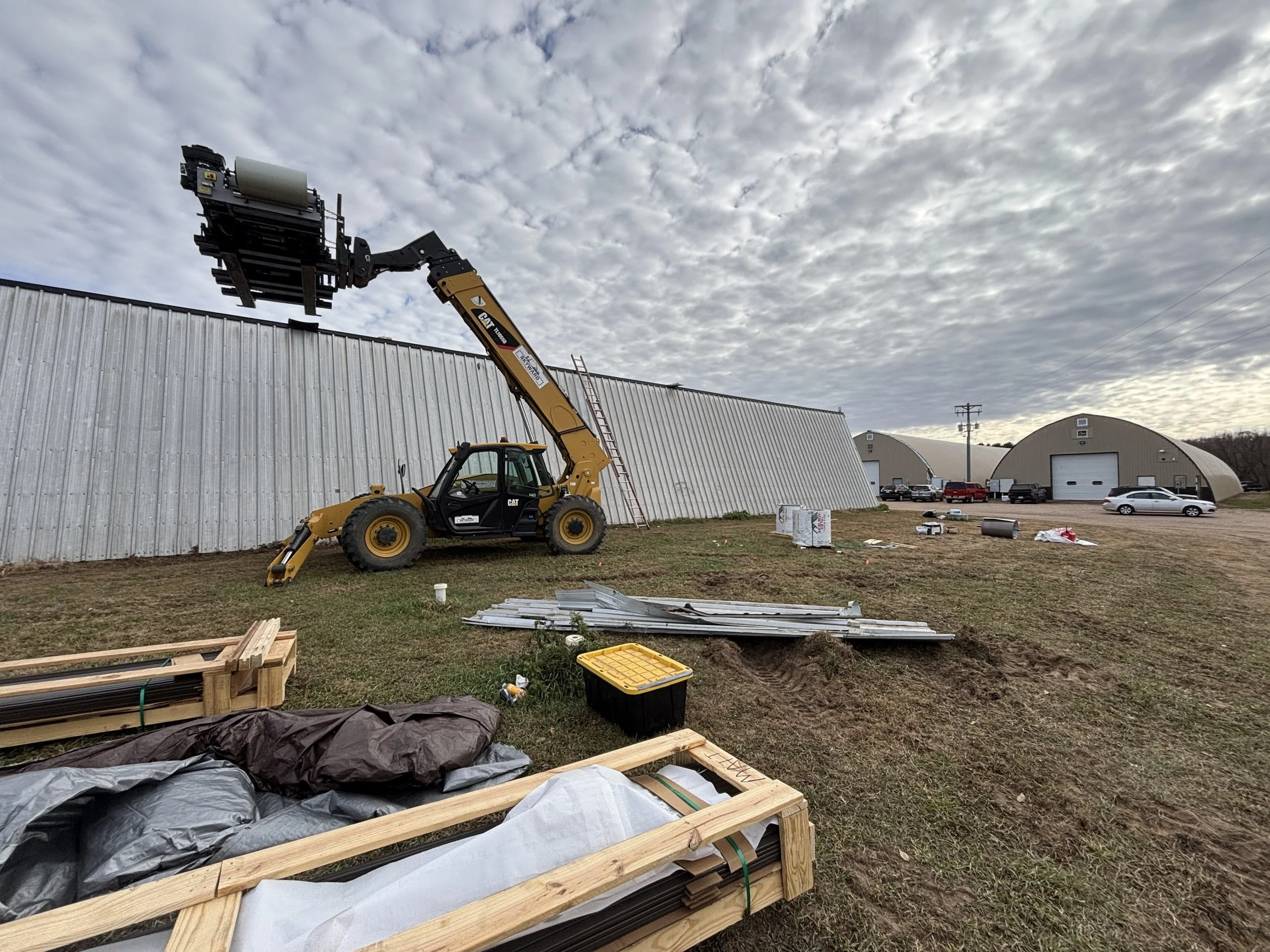
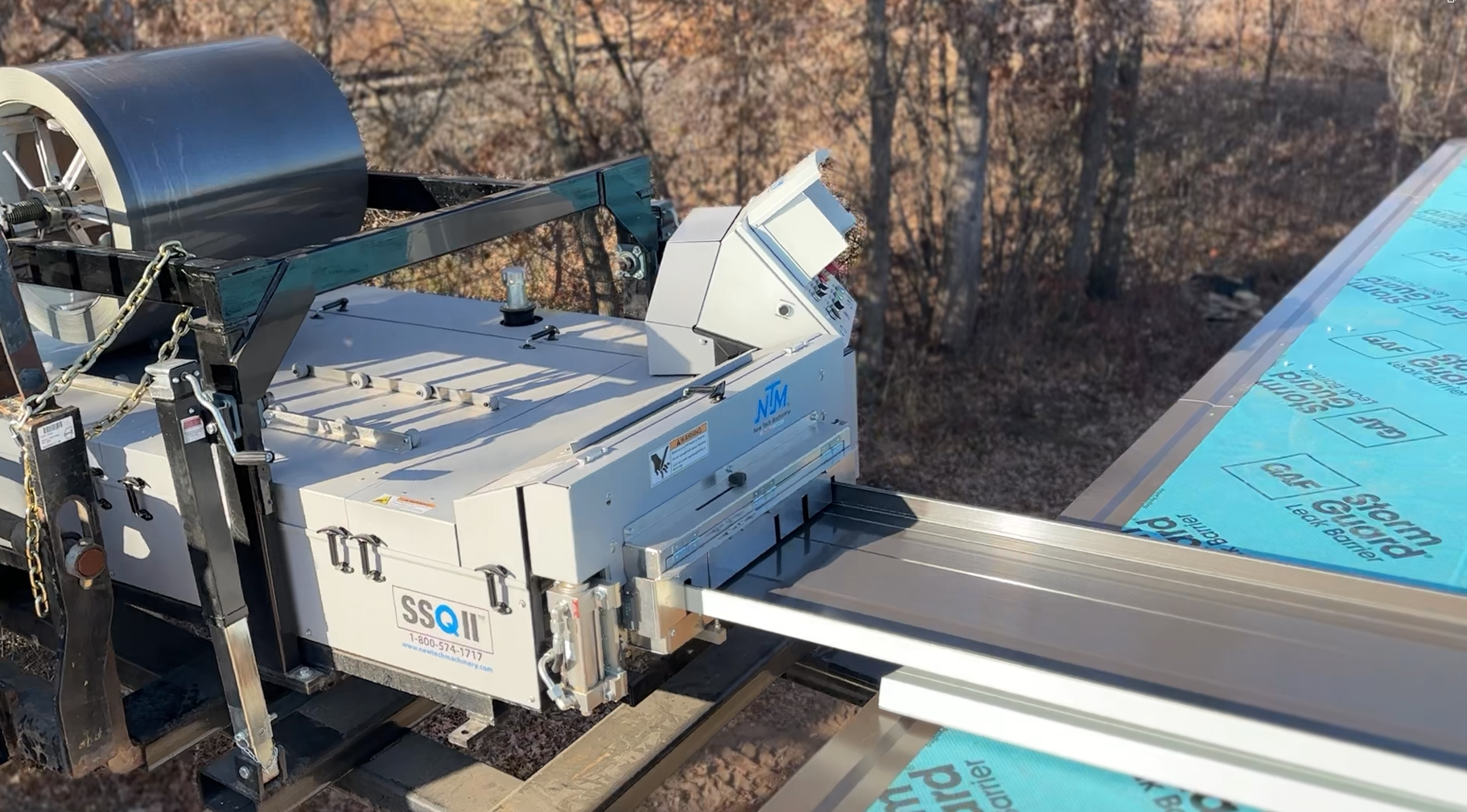
At Collins Roofing & Sheet Metal, our standing seam roof systems are manufactured directly at the jobsite and rolled right onto the roof. Using portable roll-forming equipment, we produce the 138T and 238T panels on site, allowing each panel to be custom formed to the exact length required for the building.
Because the panels are produced at the roof edge, we can create continuous panels that run from ridge to eave, often eliminating the need for end laps. This results in a cleaner, stronger roof system with fewer potential leak points compared to shorter pre-cut panels that must be joined together.
On-site manufacturing also allows greater flexibility during installation. Panel lengths can be adjusted in real time to accommodate the building layout, and extremely long panels—sometimes up to 300–350 feet in length—can be produced when the roof design allows.
By forming panels directly on the roof, Collins Roofing & Sheet Metal delivers a precision-fit standing seam roof system designed for maximum durability, performance, and long-term reliability.
Metal Roof Repair and Replacement Options Compared
-
Spray polyurethane foam (SPF) roofing is sometimes installed over existing metal roofs as a way to seal leaks and add insulation. While it may appear to solve problems initially, SPF systems often create long-term issues that building owners should carefully consider before choosing this approach.
A spray foam roof must be protected with a specialized coating that shields the foam from ultraviolet light and physical damage. Even when properly installed, this protective surface can be compromised over time by hail, foot traffic from HVAC servicing, birds, general wear, or gradual UV degradation. Once the protective coating is damaged, water can penetrate the foam layer beneath.
Unlike many roofing materials, spray foam can absorb and retain water once it becomes saturated. This can significantly increase the weight of the roof system while eliminating the insulation benefits the foam was intended to provide. Water is a conductor rather than an insulator, so once the foam becomes saturated the roof no longer performs as an effective thermal barrier. In many cases, the moisture trapped inside the foam has difficulty drying out.
Another challenge arises when the building owner eventually decides to install a permanent roofing solution. Because spray foam bonds tightly to the metal roof surface, removal can be labor-intensive, expensive, and time consuming, often requiring significant demolition before a new roofing system can be installed.
For these reasons, many building owners ultimately find SPF systems to be a short-term approach rather than a long-term roofing solution. In contrast, a structural metal-over-metal retrofit system installs a new standing seam roof above the existing metal roof, creating a durable roofing assembly designed to last for decades with minimal maintenance while preserving the structural drainage design of the building.
-
Metal roof coatings are often marketed as a quick and inexpensive way to stop leaks and extend the life of an existing metal roof. While coatings can provide temporary relief in some situations, they are typically a short-term repair rather than a long-term roofing solution, especially when compared to a full metal-over-metal roof recover system.
One of the biggest misconceptions about coatings is cost. A properly installed coating system often costs around 35–45% of the price of installing a completely new metal roof system with added insulation. At first glance this may seem attractive, but coatings are usually designed to extend the life of a roof for a limited period of time. Over the life of the building, many owners end up coating the same roof multiple times, which can ultimately approach the cost of installing a permanent roofing system.
Coatings also do not correct the underlying issues that cause most metal roofs to leak. Problems such as aging fasteners, panel movement, seam separation, and structural wear remain in place beneath the coating. In many cases, the coating simply covers these problem areas rather than eliminating them.
Another issue is long-term serviceability. Once a coating has been applied, it often binds panels, fasteners, and seams together unevenly across the roof surface. If the building owner later decides to install a permanent solution such as a standing seam metal-over-metal retrofit system, the coating can make removal or modification of the existing roof more complicated. In some cases, it may even add additional tear-off costs because the coating has effectively glued portions of the roof system together.
From an aesthetic standpoint, coatings also tend to create an uneven or patchwork appearance, particularly after repairs or additional coating applications over time.
For many building owners, a structural standing seam metal-over-metal recover system provides a more practical long-term solution. Instead of applying a temporary surface treatment, a new metal roof is installed above the existing roof—often with additional insulation—creating a durable roofing system designed to perform for decades with minimal maintenance.
-
Yes, a membrane roof such as TPO or EPDM can be installed over an existing metal roof. This is a fairly common approach in the commercial roofing industry. However, it is often used simply because many building owners are not aware that metal-over-metal retrofit systems exist as an alternative.
Installing a membrane roof over a metal roof requires significant preparation before the membrane can even be attached. Because metal roofs have ribs and panel laps, contractors must first build a flat substrate by filling the high and low areas with foam insulation and cover boards such as DensDeck. Only after the roof surface is made flat can the membrane be mechanically fastened or adhered to the roof assembly.
One of the primary drawbacks of this approach is lifespan. Most membrane roofing systems are designed as 20-year solutions, meaning the roof will likely need replacement within a couple of decades. In addition, building codes generally limit roofs to two layers of roofing, so when the membrane reaches the end of its life the entire system must typically be removed before another roof can be installed. The original metal roof remains part of the building structure, which means future roofing projects often involve additional demolition and cost.
Metal buildings are also engineered so the roof panels channel water down the panel ribs and safely off the building. When those channels are filled and flattened to support a membrane system, water may concentrate in unintended areas rather than flowing along the designed drainage paths.
In many cases, a standing seam metal-over-metal retrofit system such as the 238T provides a better long-term solution. The retrofit system installs a new structural standing seam roof above the existing metal roof, often at a price comparable to a membrane installation. Instead of a short-term roof, building owners receive a durable metal roof system capable of lasting decades while also allowing additional insulation to be installed between the old and new roof systems.
-
Yes, tearing off the existing metal roof and installing a new metal roof is certainly a better option than temporary solutions like coatings or foam. However, it comes with several drawbacks that building owners should consider.
Removing a metal roof adds significant cost due to labor, disposal, and landfill fees. During the tear-off process, portions of the building may be temporarily exposed to weather, which can create risk for the interior and disrupt normal business operations. Because the roof must be completely removed before the new system is installed, projects often take longer and may require more downtime for the facility.
A full tear-off also limits the opportunity to improve the building’s insulation without additional cost. In many cases, the new roof is simply installed back in the same location as the original roof, meaning the building gains little improvement in energy performance.
By comparison, a metal-over-metal retrofit system installs a new structural metal roof above the existing roof without removing it. This approach avoids tear-off costs, allows additional insulation to be added between the roof systems, and significantly reduces disruption to the building below.
Because metal panels are spanning structural materials, installing a metal-over-metal system can also strengthen the overall roof plane while creating a new long-term roofing system designed to last for decades.
Metal Roofing Retrofit Systems
138T / 238T Standing Seam Retrofit System for Metal-Over-Metal Roof Recovery
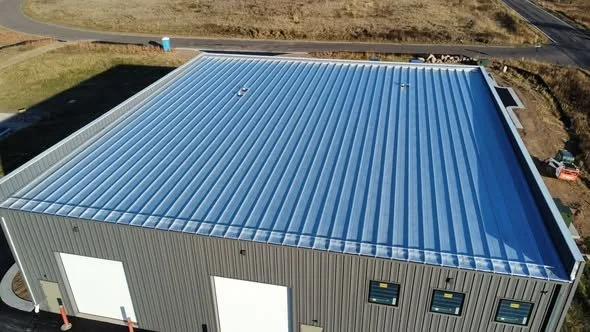
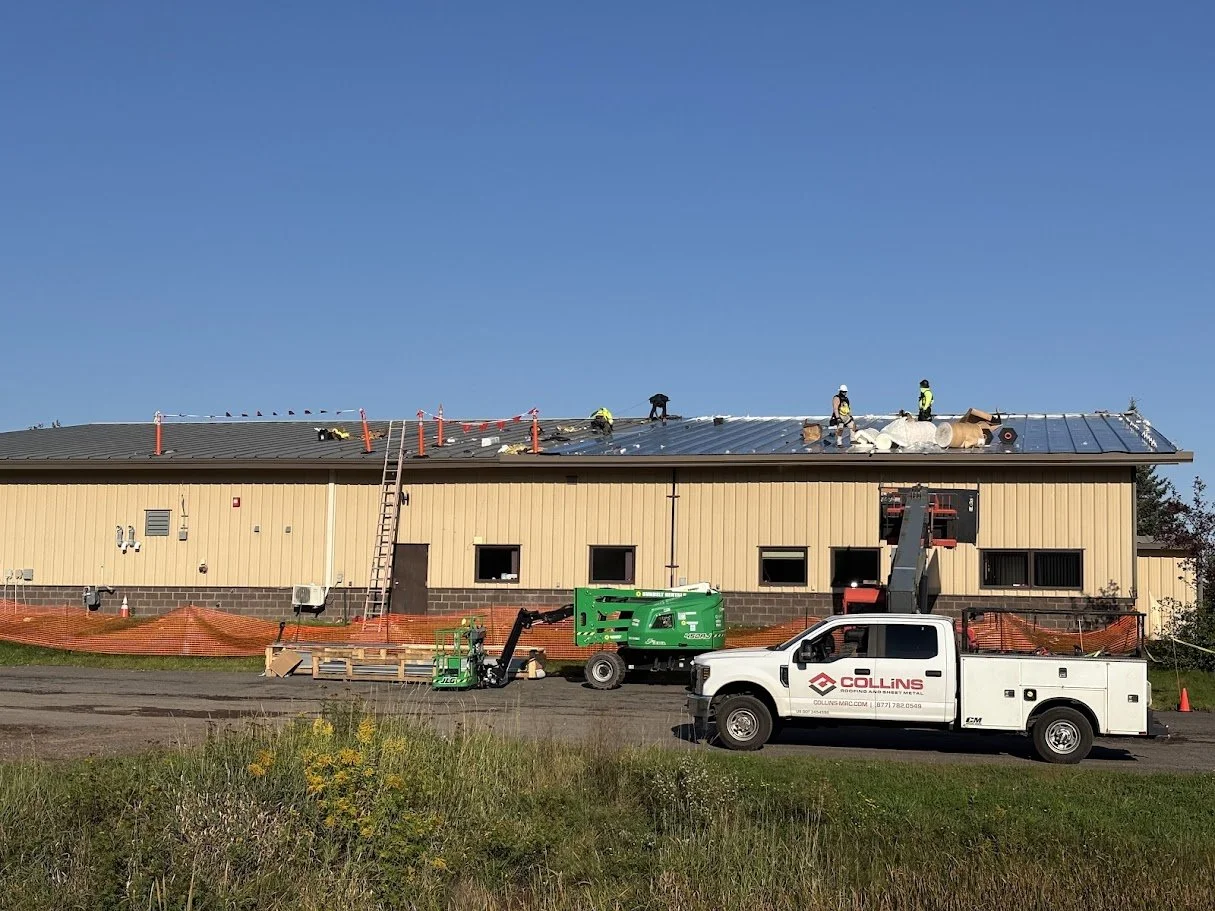
The 138T and 238T standing seam metal roofing systems are widely recognized as one of the most effective long-term solutions for recovering an aging metal roof. At Collins Roofing & Sheet Metal, these structural standing seam panels are commonly installed as part of a metal-over-metal roof retrofit, allowing building owners to replace failing roofs without the cost, disruption, and waste associated with a full tear-off. By installing the new standing seam system directly over the existing metal roof, businesses can remain operational while a new high-performance roofing system is installed above. Metal recover systems have become a preferred alternative to coatings or single-ply membranes because they provide a long-term structural solution rather than a temporary repair.
A key advantage of the 138T and 238T systems is their ability to adapt to existing roof conditions. Offset retrofit clips or sub-framing systems (like Roof Hugger) can ride over nearly any existing metal roof profile, including older exposed fastener panels or standing seam roofs. These clips elevate the new standing seam roof above the existing roof surface, creating space for insulation and ventilation between the old and new roof systems, improving both energy performance and long-term durability.
Collins Roofing & Sheet Metal manufactures these panels on site, allowing us to roll continuous standing seam panels directly at the roof edge and install them immediately. Continuous panels can be produced in extremely long lengths, eliminating end laps and reducing potential leak points while creating a cleaner, stronger roofing system. Long single-piece panels improve weathertightness and installation efficiency compared with shorter lapped panels.
The 138T and 238T panels are also symmetrical standing seam systems, meaning individual panels can be removed and replaced without disturbing adjacent panels if future roof modifications or servicing are required. This serviceability, combined with the durability of a structural standing seam system, provides building owners with a long-term roofing solution capable of lasting decades with minimal maintenance.
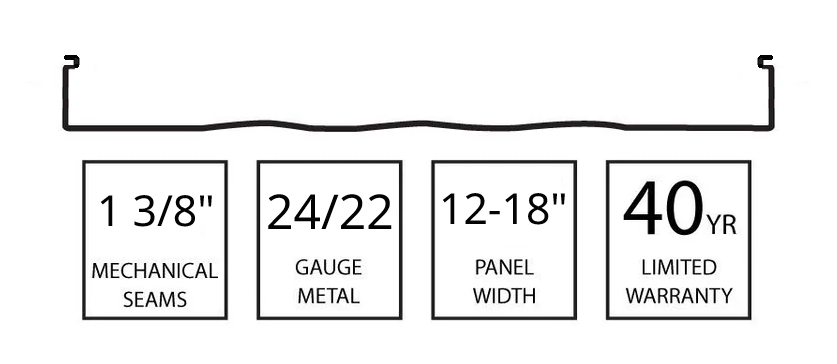
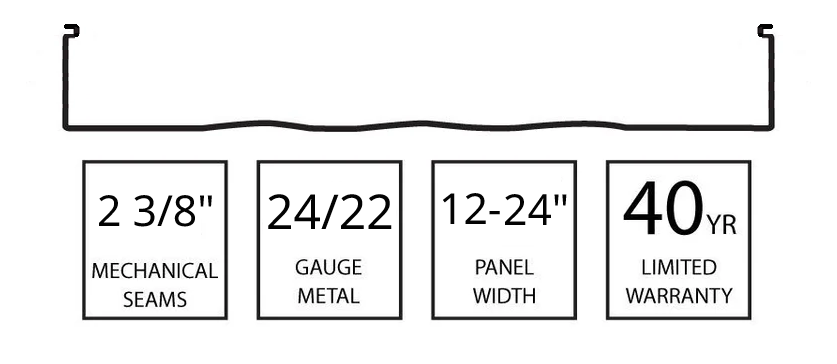
22/24 gauge metal
1 3/8” & 2 3/8"” Mechanical Batten Seam
12”-24” panel width
Rated for slopes as low as 1/4”:12’
Striated for light refraction
Hidden fasteners to prevent leaking
Limited 40 year warranty
Labor warranty 30 years
Retro-R Metal Roof Recover System – The Most Cost-Effective Metal-Over-Metal Retrofit Solution
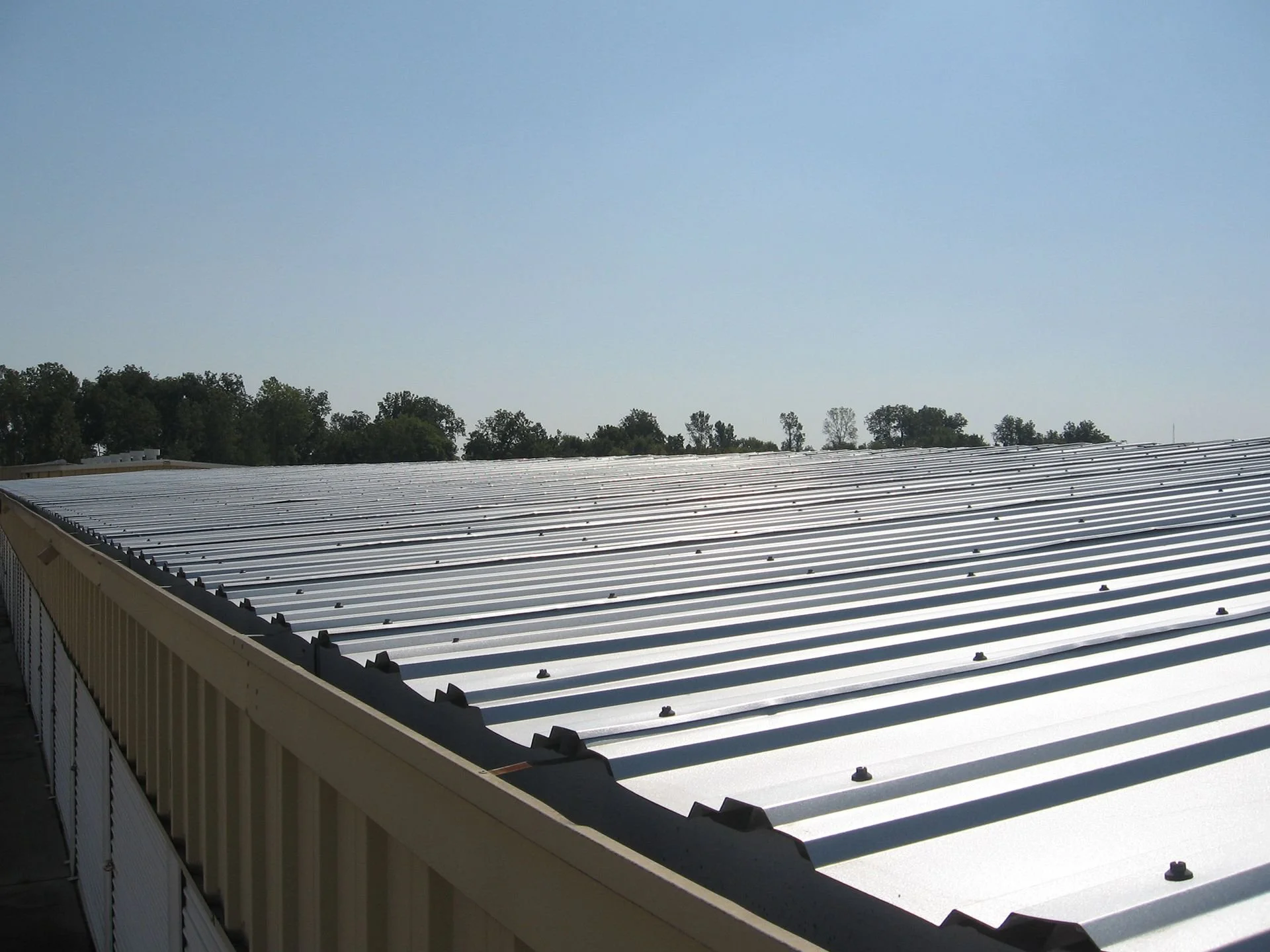
At Collins Roofing & Sheet Metal, we install Retro-R, an exposed fastener metal roofing system designed specifically for metal-over-metal roof recovery on existing 12″ on-center R-panel roofs. Retro-R panels are available in lengths up to 45 feet and can be manufactured in either 29 or 26 gauge steel. While several color options are available, many building owners choose Galvalume for its durability and cost effectiveness.
Retro-R can be installed on roof slopes as low as ½:12 and provides a straightforward recovery solution without removing the existing roof. In most installations, our crews simply remove the existing screws at the rib laps and fasten the new Retro-R panels directly over the existing R-panel roof.
This system is designed exclusively for existing 12″ on-center R-panel exposed fastener roofs and cannot be installed over standing seam systems or other exposed fastener panel profiles. While Retro-R is a simple and economical recovery option, it does rely on exposed fasteners, which are typically the first components that require maintenance over the life of the roof.
At Collins Roofing & Sheet Metal, we evaluate each building to determine whether Retro-R is the right recovery option or if a standing seam retrofit system would provide better long-term performance for the structure.
29/26 gauge metal
Lapped Ribs
36” panel width
Rated for slopes as low as 1/2:12
Galvalume, and colors available
Hidden fasteners to prevent leaking

Metal Roof Recover Project Portfolio
238T Metal Roof Color Chart
Download Recover Metal Roof Brochure
Download our Brochure
This is our company brochure detailing different roofing systems that we offer to install on commercial and industrial properties.
